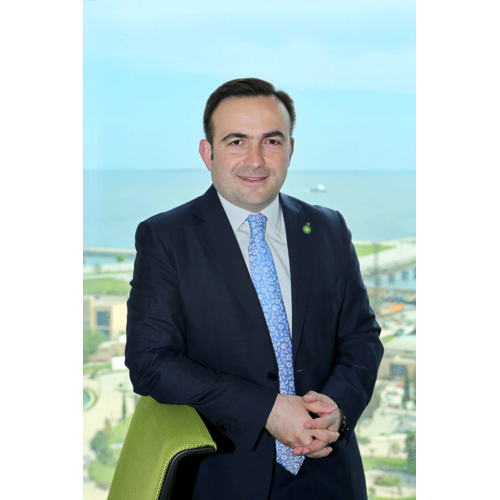
For more than three decades, bp has been one of the key architects of Azerbaijan’s modern energy story, working alongside the state, SOCAR, and international partners. From the landmark “Contract of the Century” to the development of world-class oil and gas projects, this partnership has left a lasting mark on the country and the wider region. Today, as global energy demand continues to grow alongside the push for decarbonization, bp is navigating a complex period of energy transition. In this interview, Bakhtiyar Aslanbayli, bp’s Vice President for the Caspian region, looks back on bp’s journey in Azerbaijan and the foundations of long-term trust built over decades. He discusses how projects such as the Shafag solar plant and the electrification of the Sangachal terminal signal a new phase in bp’s integrated energy approach. At the same time, he explains why sustained investment in oil, gas, and exploration remains critical for meeting Azerbaijan’s and the world’s future energy needs.
AZERI OBSERVER EDITORIAL STAFF
Question: bp has been operating in Azerbaijan for over three decades. How would you describe bp’s journey in the country and its role in supporting Azerbaijan’s energy transition?
Answer: bp’s story in Azerbaijan began with the historic “Contract of the Century,” masterfully architected by national leader Heydar Aliyev. His visionary leadership laid the foundation for everything that followed. Every milestone we’ve reached in ACG and other bp-operated projects is a reflection of his foresighted strategy, and we’re proud to have the opportunity to be part of this journey. Over the past three decades, we’ve been privileged to operate the country’s major energy projects, and we’re proud that the government trusts us to help develop Azerbaijan’s oil and gas resources. Looking back, it’s remarkable what we’ve achieved working with the government, SOCAR, and our partners. From First Oil at ACG, just three years after signing the contract, to First Gas from Shah Deniz and the launch of the BTC pipeline—these are milestones that speak to the strength of our collaboration. The numbers tell a powerful story: 4.6 billion barrels of ACG oil, 264 billion cubic meters of Shah Deniz gas, over 6,000 tankers lifted at Ceyhan. These achievements have not only transformed Azerbaijan’s energy landscape but have also had a regional impact.
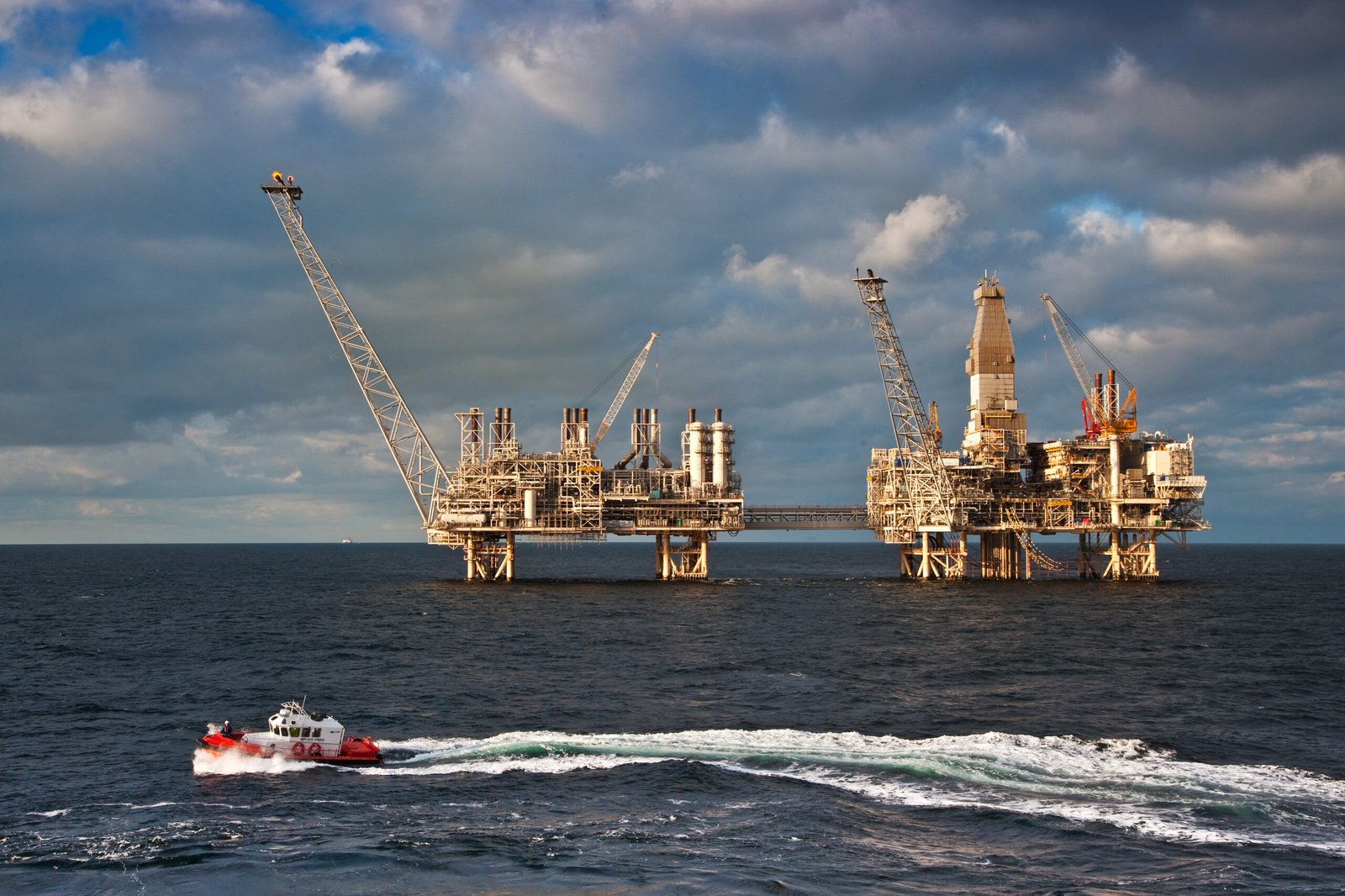
As the world and Azerbaijan move toward a low-carbon future, bp is also evolving. We are now an integrated energy company—one of only a few that can deliver energy at a global scale through a decades-long energy transition. Our purpose is clear: to deliver energy to the world, today and tomorrow. That means continuing to meet growing energy demand while investing in the future. Our strategy reflects this balance. We plan to grow our upstream business, focus our downstream operations, and invest with discipline in energy transition. Our work in Azerbaijan is a great example of this strategy in action. We’re continuing to develop oil and gas resources responsibly, while also supporting the country’s transition through innovative projects like Shafag solar and the electrification of Sangachal terminal. Both projects are well underway with construction activities progressing steadily. What’s innovative here is the virtual power transfer model. The electricity generated in Jabrayil will be used to power the Sangachal terminal in conjunction with grid supply. Together, these projects are expected to reduce operational emissions from the terminal by around 50% over its future life. Following the electrification, the turbines that the terminal currently uses to generate its power will be removed in phases, freeing up the fuel gas for export. Shafag is more than just a solar plant; it’s our first renewable energy investment in Azerbaijan and a clear sign of our long-term commitment to the country. It’s a project that truly supports the country’s energy transition goals, and we’re proud to be part of that journey.
Q.: What makes Shafag a flagship in Azerbaijan’s energy transition? How does its design, partnerships, and electrification link to Sangachal demonstrate bp’s approach to decarbonizing oil and gas operations at scale?
A.: As a solar project, Shafag is uniquely positioned to be a flagship—but from a different perspective. Its concept is built on a new and innovative approach we call the “virtual power transfer” model, which is a pioneering commercial structure whereby the Shafag solar plant will generate power in the Jabrayil district and deliver it to the state power grid operator AzerEnerji. In turn, AzerEnerji will supply an equivalent amount of electricity to our largest onshore facility, the Sangachal terminal near Baku. This arrangement enables the use of renewable energy at the terminal, supporting its electrification and significantly reducing operational emissions. In this way, Shafag is a flagship project in the electrification of oil and gas assets and a key contributor to Azerbaijan’s energy transition goals.
It’s important to note that Shafag is not solely a bp-driven initiative. It’s a truly collaborative effort. We are delivering this project together with SOCAR Green, the Azerbaijan Business Development Fund, MVM and many other stakeholders. Above all, we deeply value the support and guidance from the Government of Azerbaijan and AzerEnerji, who are working hand in hand with us to make this flagship initiative a success. The project is progressing rapidly, with construction activities proceeding on schedule at the site in Jabrayil. Since the final investment decision in June 2025, we’ve already achieved several key milestones that reinforce our confidence in the project’s momentum. Two major contracts have been awarded to advance engineering, procurement, and construction activities, as well as to begin solar module supplies. In fact, the first shipment of solar panels has already arrived on site, and installation works are underway. The Sangachal Terminal Electrification Project (STEL), closely linked to Shafag, is also progressing, with relevant works expanding both inside and outside the terminal.
Beyond infrastructure, the Shafag project is committed to engaging with communities in the surrounding liberated villages and towns. As a first step, we met with local residents some time ago to introduce the project and share the opportunities it will bring, from employment to new infrastructure. Construction activities will continue through mid-2027, with a strong emphasis on local content. At peak, the project is expected to create up to 400 jobs, making a meaningful contribution to regional development. Even in these early days of construction, we already have a compelling story to tell. We’ve encountered a historic archaeological site in the northern part of the project area, potentially dating back to the Bronze to Early Iron Ages. We are collaborating with the Institute of Archaeology and Anthropology to ensure its preservation and study. In short, Shafag is progressing on strong foundations, with clear milestones and committed partners. It’s a flagship project not just for bp, but for Azerbaijan’s energy transition.
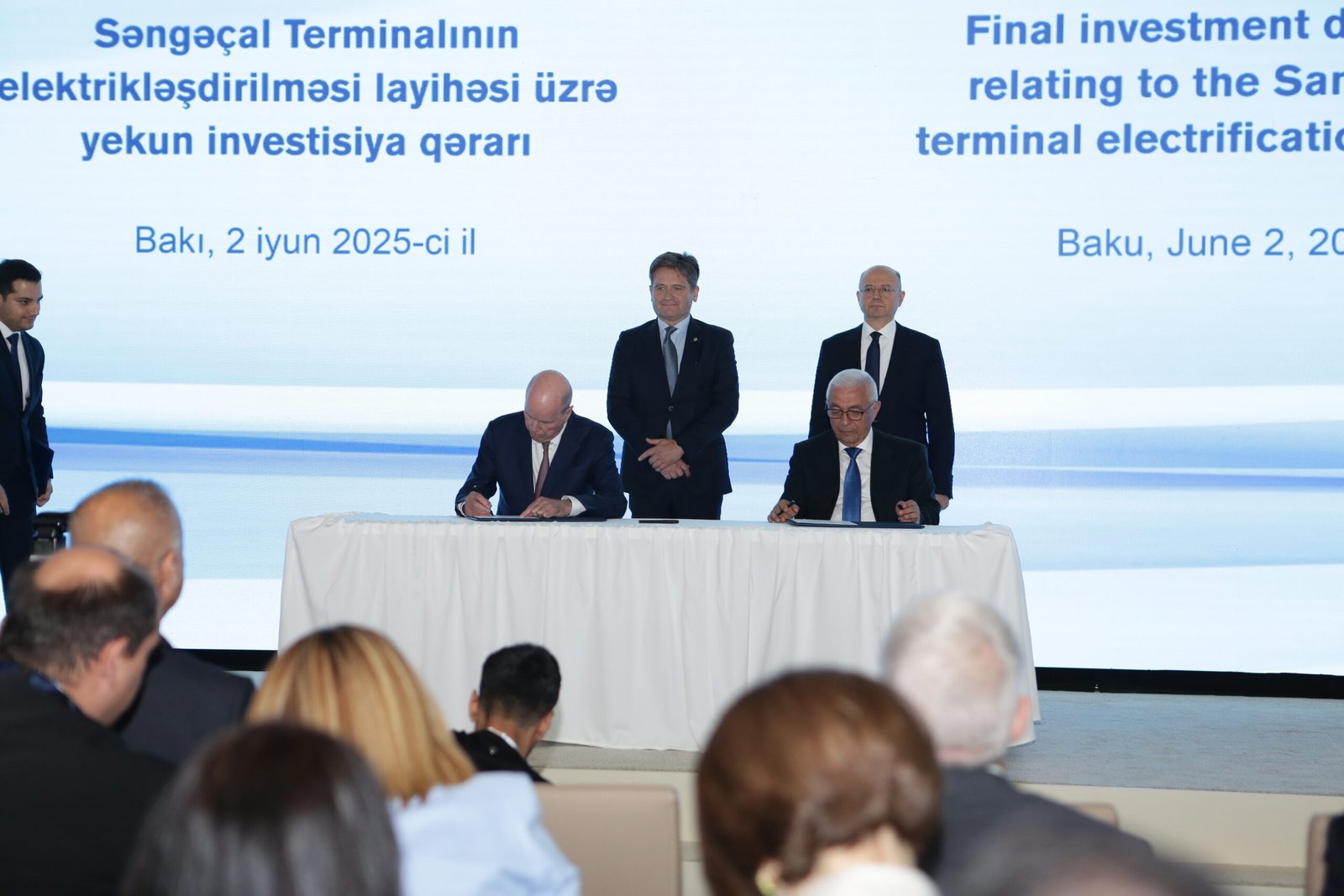
Signing Final Investment Decision for the Sangachal Terminal Electrification project.
Q.: Global energy demand continues to rise, and the world is in an “energy addition” phase. How does bp balance the need for traditional oil and gas with its energy transition ambitions? What do these ambitions look like in Azerbaijan in the context of projects like ACG’s NAG, Shah Deniz Compression, and new exploration ventures?
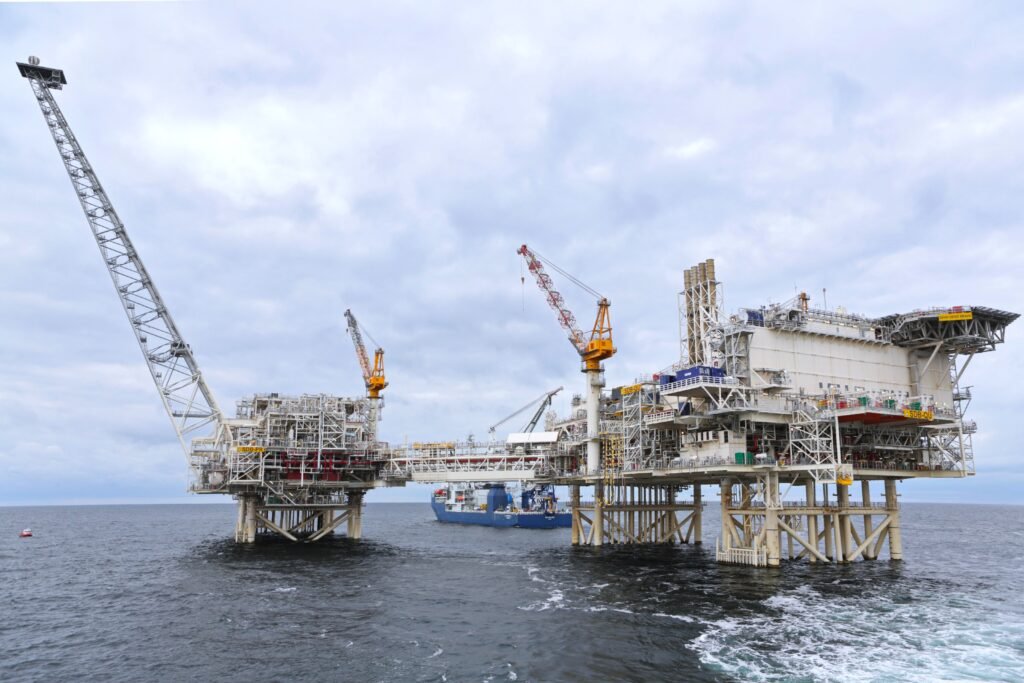
A.: That’s a great question, and it goes right to the core of bp’s strategy. The reality is that global energy demand continues to grow, and we’re currently in what we call an “energy addition” phase. The world needs all sources of energy—both traditional and low-carbon—to meet that demand reliably and responsibly. Oil and gas will be needed for decades to come, with strong demand forecast through 2035. bp’s strategy is designed to respond to this reality. In our quest to deliver energy to the world, today and tomorrow, we’re growing our upstream business, focusing our downstream operations, and investing with discipline in the energy transition. Again, in Azerbaijan, this strategy is very much in action. While we continue to manage mature assets like ACG and Shah Deniz, we’re also unlocking new resources and pursuing growth opportunities. One of the key examples is the development of ACG’s non-associated gas reservoirs, which hold up to four trillion cubic feet of recoverable resources. We’ve already drilled the first production well, getting access to two priority NAG deep reservoirs, the shallower NKP and the deeper PK reservoirs, both of which are located beneath the currently producing oil reservoirs. The well also represents a significant appraisal milestone, as the data obtained will help build future plans for ACG’s NAG development. The well confirmed the presence of gas resources in the NKP reservoir, which is the main target reservoir for the first NAG production, starting in the second half of this year. Additionally, the well encountered high-pressure gas in the PK reservoir. There are plans to produce from this reservoir in the first half of 2026; however, production from PK will be short-term and undertaken solely for testing purposes before we move to the NKP reservoir. Another important example is the Shah Deniz Compression project, a $2.9 billion investment that represents the next stage of development for the giant Shah Deniz gas field. This project is designed to access low-pressure gas reserves and maximize resource recovery from the field. It is expected to enable around 50 billion cubic meters of additional gas and 25 million barrels of condensate production and export. The project includes the installation of an electrically powered, unmanned compression platform and several associated facilities in the Shah Deniz contract area. Construction is underway, with the main contracts already awarded. We expect the first gas for compression in 2029. We’re also excited to be part of the Karabagh and Ashrafi-Dan Ulduzu-Aypara (ADUA) projects exploring and developing new oil and gas prospects in the Caspian. Together with SOCAR, we’re assessing development options that make best use of existing infrastructure, and as the operator, we’re contributing our global expertise and technology to progress these projects safely and efficiently.
On the Karabagh field, as a first step, we are conducting a seismic survey program aimed to enhance the reservoir understanding and identify geological and subsurface hazards. Additionally, we continue appraisal work on the Shafag-Asiman block, now with a new partner, TPAO. This collaboration brings added technical and financial strength, helping us accelerate work on this promising structure. All of this reflects the trust placed in us by the government, SOCAR, and our partners—a trust built over decades of safe, reliable, and efficient delivery. Azerbaijan needs more resources. The world needs more energy. And bp is ready to help meet that demand, while also supporting the country’s energy transition and decarbonization ambitions.
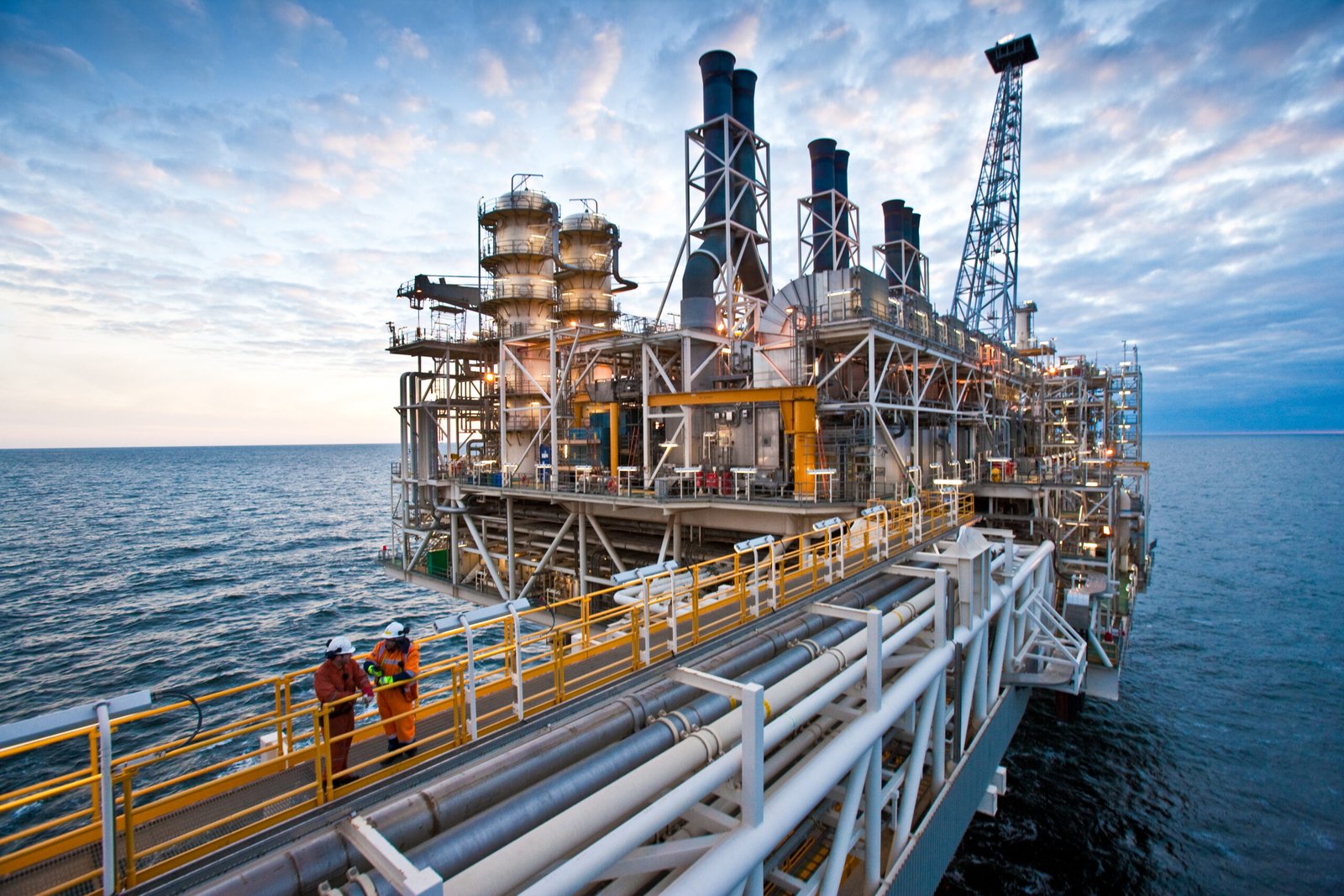
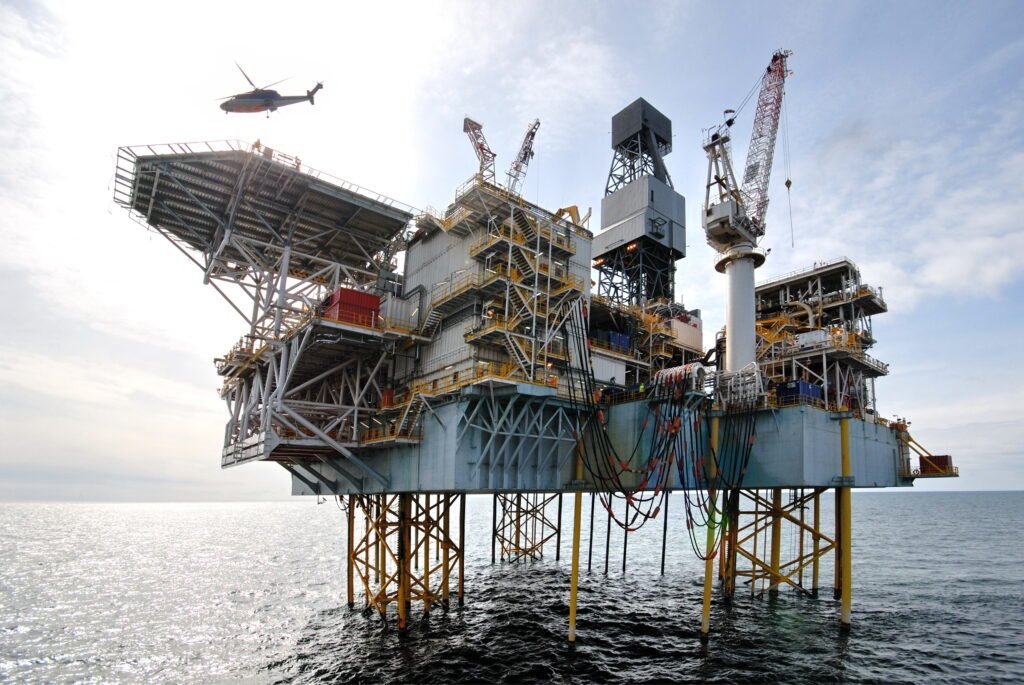
Day view of Deepwater Gunashli offshore platform.
Q.: Azerbaijan has been recognized as offering a stable and supportive environment for energy development. From bp’s perspective, what makes the country’s regulatory and legal framework so attractive to international investors? How does this underpin bp’s long-term partnership and future outlook in Azerbaijan?
A.: Indeed, Azerbaijan offers a stable and supportive regulatory environment for energy development, which has been one of the key factors in bp’s long-standing successful involvement in the country. One of the most important aspects is the legal framework governing our operations, particularly the Production Sharing Agreements (PSAs). These agreements are not just commercial contracts; they carry full force of law, having been ratified by Parliament. This gives them a unique level of legal certainty and protection, which is highly valued by international investors. The fact that Azerbaijan has never re-negotiated or altered the foundational terms of a PSA also speaks volumes about the country’s commitment to honoring its agreements and maintaining investor confidence. In addition, governmental agreements have been key to securing favorable conditions for our business developments, for the successful delivery of our projects, and for our shareholders. Regional agreements such as Inter-Governmental Agreements and Host Government Agreements, clearly define the rights and obligations of the parties. They were also agreed and ratified by the relevant parliaments. These frameworks have enabled us to operate with confidence and consistency over the past three decades. This has provided a solid foundation for collaboration with the government, SOCAR, and our partners, allowing us to deliver major projects safely, efficiently, and in alignment with national priorities. Azerbaijan is a country that values the importance of legal clarity, investor confidence, and long-term partnership, and we’re proud to continue contributing to this country’s energy journey. On the other hand, we believe the world also needs Azerbaijan—a country which possesses significant energy reserves and world-class oil and gas fields in the Caspian that are serving Europe and the world. Looking to the future, the country has very considerable energy potential, which will continue to make it an important, diversified source of energy supplies for Europe and for the world, offering reliable environmental and market solutions to the world’s energy needs for many years to come.
Q.: bp has often emphasized that its role in Azerbaijan goes beyond energy production. How have your social investment and capacity-building initiatives shaped communities, education, and cultural heritage over the past three decades? What recent projects best illustrate this commitment?
A.: Throughout our 33-year presence in Azerbaijan, bp has always seen its role as more than just an energy company. In fact, we’ve been proud to be part of the country’s history in the making. It’s true that our core responsibility has been to help develop the country’s major oil and gas resources. However, we’ve also been deeply committed to supporting Azerbaijan’s broader capacity-building efforts. Our social investment programs have reached hundreds of communities, public institutions, universities, schools, and cultural and sports organizations. We take great pride in this legacy, and our recent educational and cultural projects are great examples of that commitment. Together with our partners, we’ve invested over $115 million in sustainability projects, with a strong focus on education, training, community development, environmental protection, and cultural heritage. The apps we’ve co-developed include sign-language tools and digital education platforms, reflecting our belief that education and technology can be powerful enablers of inclusion, learning, and opportunity. One of our proudest collaborations has been with the Ministry of Science and Education. Through this partnership we have
helped enhance the quality of teaching and learning across Azerbaijan’s universities;
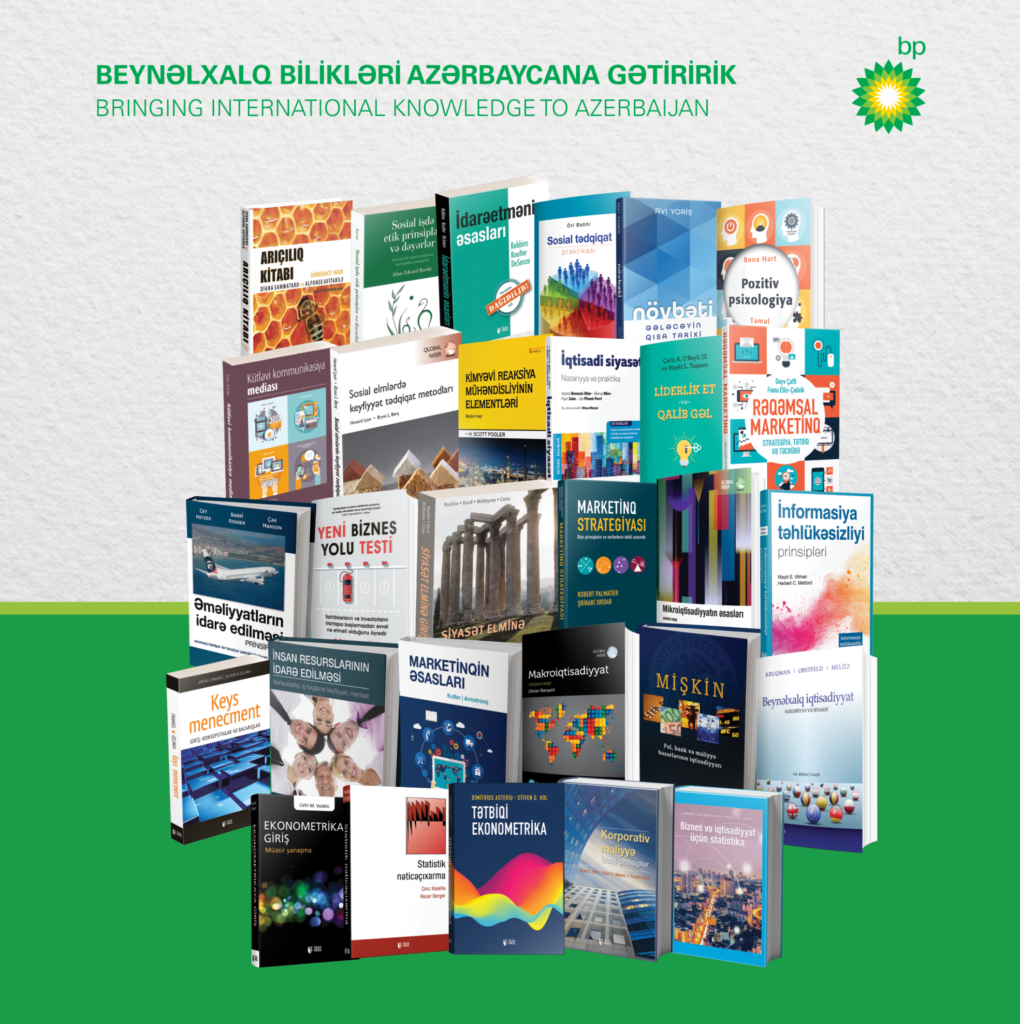
translated into Azerbaijani and published 30 internationally recognized textbooks;
and supported the creation of modern labs, digital libraries, and dual diploma programs – not just in Baku but across the country.
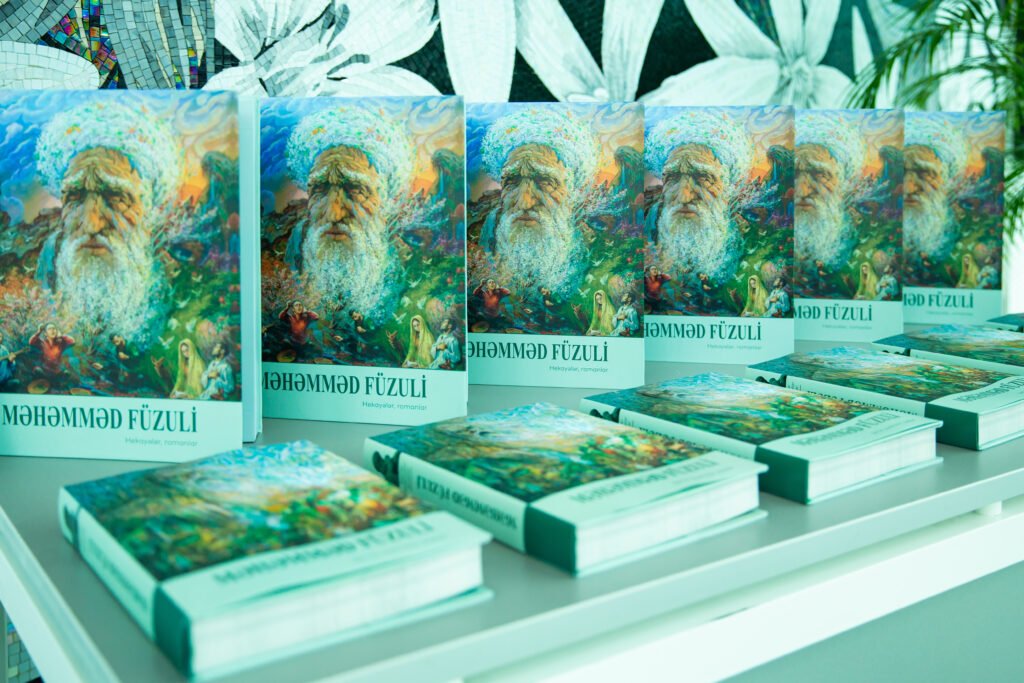
Beyond education, we’ve actively promoted Azerbaijan’s rich cultural legacy, supporting artistic and literary research works, new publications, art and history documentaries, and even studies on archaeological discoveries made during our construction projects. None of this has been done alone. We’ve had the vital support of the government, SOCAR, our partners, contractors, and local communities. And we believe that in our industry, there’s no standing still. Success is about evolving – together. These initiatives are part of that evolution, and we’re proud to be contributing to Azerbaijan’s future in more ways than one.