By Elena Kosolapova
Azeri Observer Staff Writer
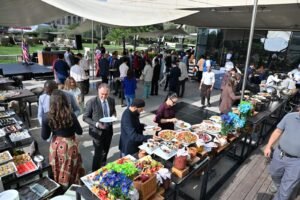
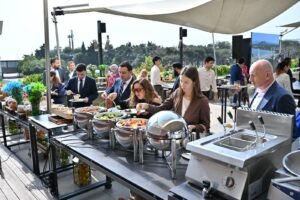
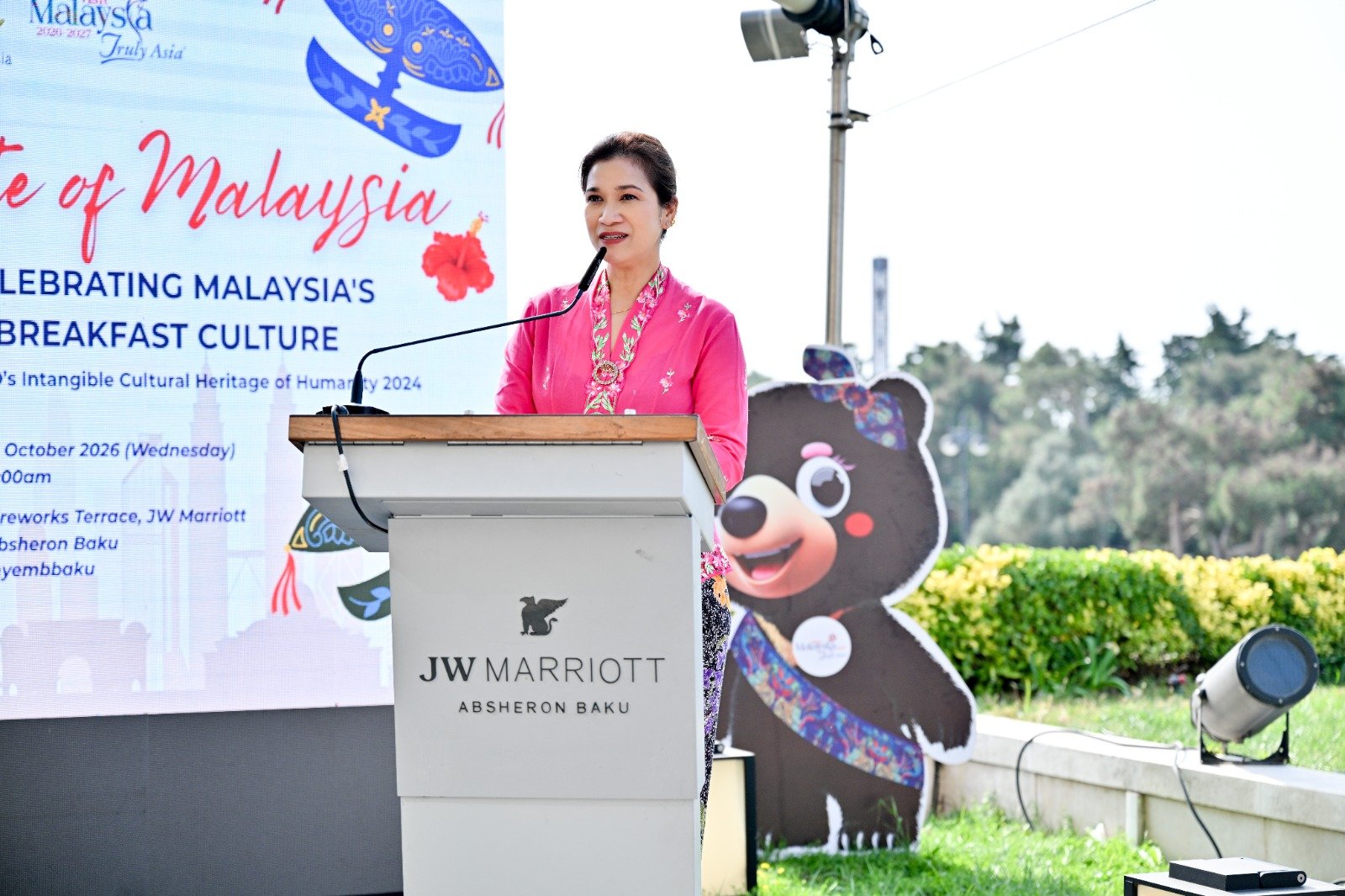
In Malaysia, breakfast is more than just food — it is a celebration of culture, community and togetherness. This vibrant tradition was brought to the Azerbaijani capital as the Embassy of Malaysia hosted a reception titled “Taste of Malaysia: Experience Malaysia’s Breakfast Culture.” The event brought together members of the diplomatic corps, media representatives and distinguished guests, offering them an opportunity to discover Malaysia through its flavors, traditions and renowned hospitality.
Welcoming the participants, Ambassador of Malaysia to Azerbaijan Aznifah Abdul Ghani highlighted the special significance of the occasion. In 2024, Malaysian Breakfast Culture was officially inscribed on UNESCO’s Representative List of the Intangible Cultural Heritage of Humanity, marking an important milestone in the international recognition of the country’s cultural traditions. As the Ambassador emphasized, this recognition celebrates far more than Malaysia’s diverse and flavorful cuisine. It honors a way of life rooted in social harmony, inclusivity and mutual respect among the country’s many ethnic communities. Indeed, Malaysia’s culinary landscape reflects its remarkable multicultural identity, shaped by Malay, Chinese, Indian and other cultural influences. Nowhere is this diversity more visible than at the breakfast table.
“In Malaysia, breakfast is rarely a rushed, solitary routine. It is a vibrant communal ritual that bridges communities across all cultural, ethnic, and socioeconomic backgrounds,” Ambassador Aznifah Abdul Ghani noted.
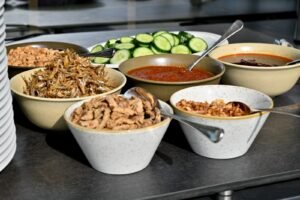
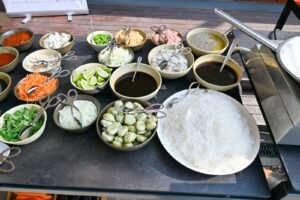
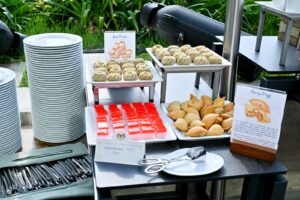
From traditional roadside warung (stalls) to Chinese kopitiam (coffee shops) and bustling 24-hour mamak eateries, Malaysians from different backgrounds gather every morning to share meals, exchange stories and enjoy each other’s company. At the heart of this tradition are some of the country’s most beloved culinary specialties: aromatic nasi lemak (rice cooked in coconut milk), often served wrapped in banana leaves; flaky roti canai (traditional flatbread) accompanied by savory curry or dal (a lentil-based dish); and teh tarik, Malaysia’s famous sweet, frothy pulled milk tea.
Yet the true essence of Malaysian breakfast culture lies not only in these distinctive flavors but also in the atmosphere surrounding them. Shared tables become spaces where friendships are formed, communities connect and the national spirit of Muhibbah — mutual goodwill and unity — is celebrated. The Baku event offered guests a glimpse into this living heritage, demonstrating how food can serve as a universal language connecting people across geographical and cultural boundaries.
“Food holds an extraordinary power to transcend borders, geography, and language,” the Ambassador remarked, expressing hope that the gathering would bring the warmth and generosity of Malaysian hospitality directly to the heart of Baku.
Beyond introducing guests to Malaysia’s culinary treasures, the event also served as an example of cultural diplomacy, strengthening mutual understanding and people-to-people connections between Malaysia and Azerbaijan. Through the shared experience of food, Taste of Malaysia conveyed a simple yet meaningful message: culinary traditions are not merely about what people eat, but about the history, values and human connections they preserve. And sometimes, discovering an entire country’s cultural richness begins with something as simple as sharing breakfast.