By Elena Kosolapova
Azeri Observer Staff Writer
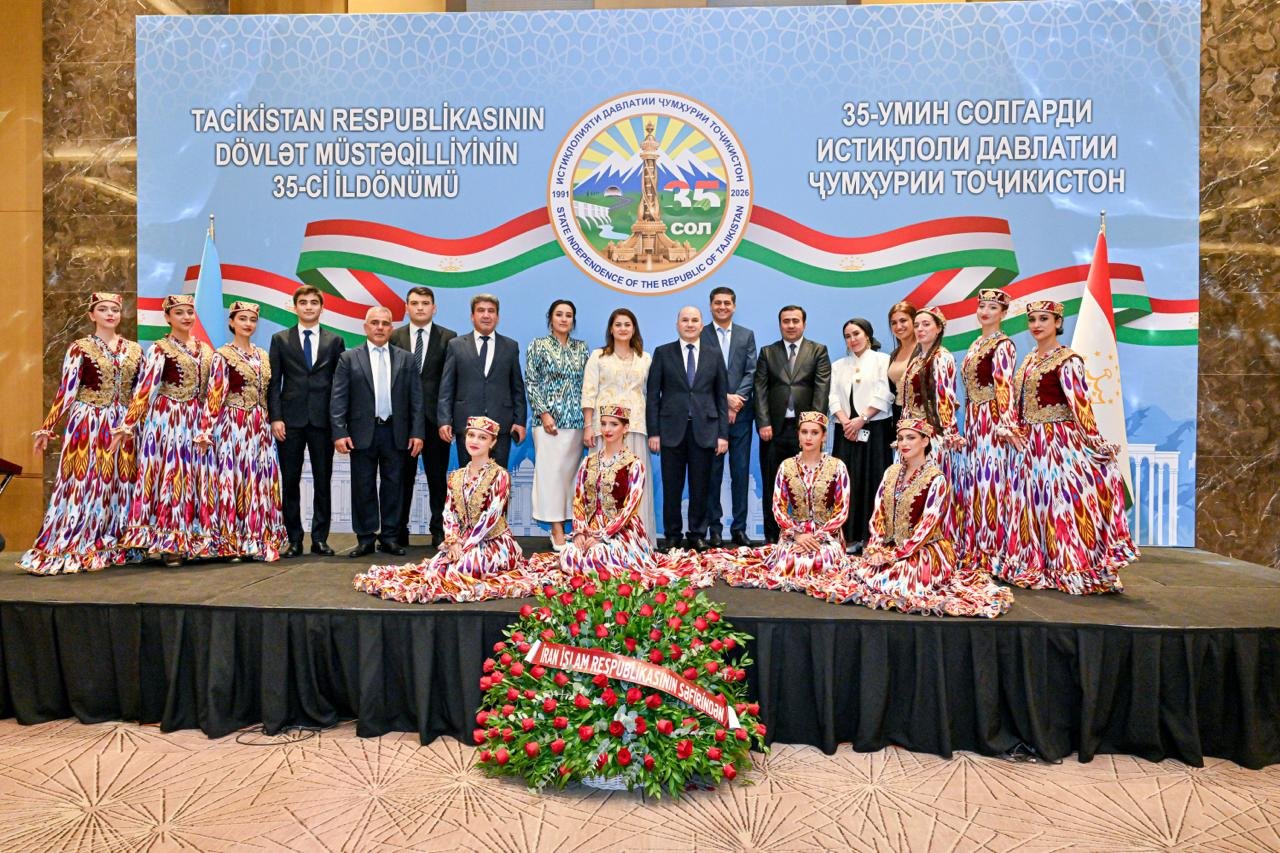
Baku hosted a festive reception marking the 35th anniversary of the Independence Day of the Republic of Tajikistan. Organized by the Embassy of Tajikistan in Azerbaijan, the event brought together representatives of Azerbaijani state institutions, members of parliament, heads of diplomatic missions, as well as representatives of the political, business, academic and cultural communities. The celebration provided an opportunity not only to reflect on Tajikistan’s journey since independence, but also to highlight the growing strategic partnership between Tajikistan and Azerbaijan.
Addressing the guests, the Ambassador of Tajikistan to Azerbaijan, Ilhom Abdurahmon, described national independence as a sacred holiday symbolizing freedom, sovereignty, national unity, historical memory and the pride of the Tajik people. While 35 years may represent a relatively short period compared with Tajikistan’s thousands of years of history and ancient traditions of statehood, the Ambassador stressed that these decades have been a period of profound transformation.
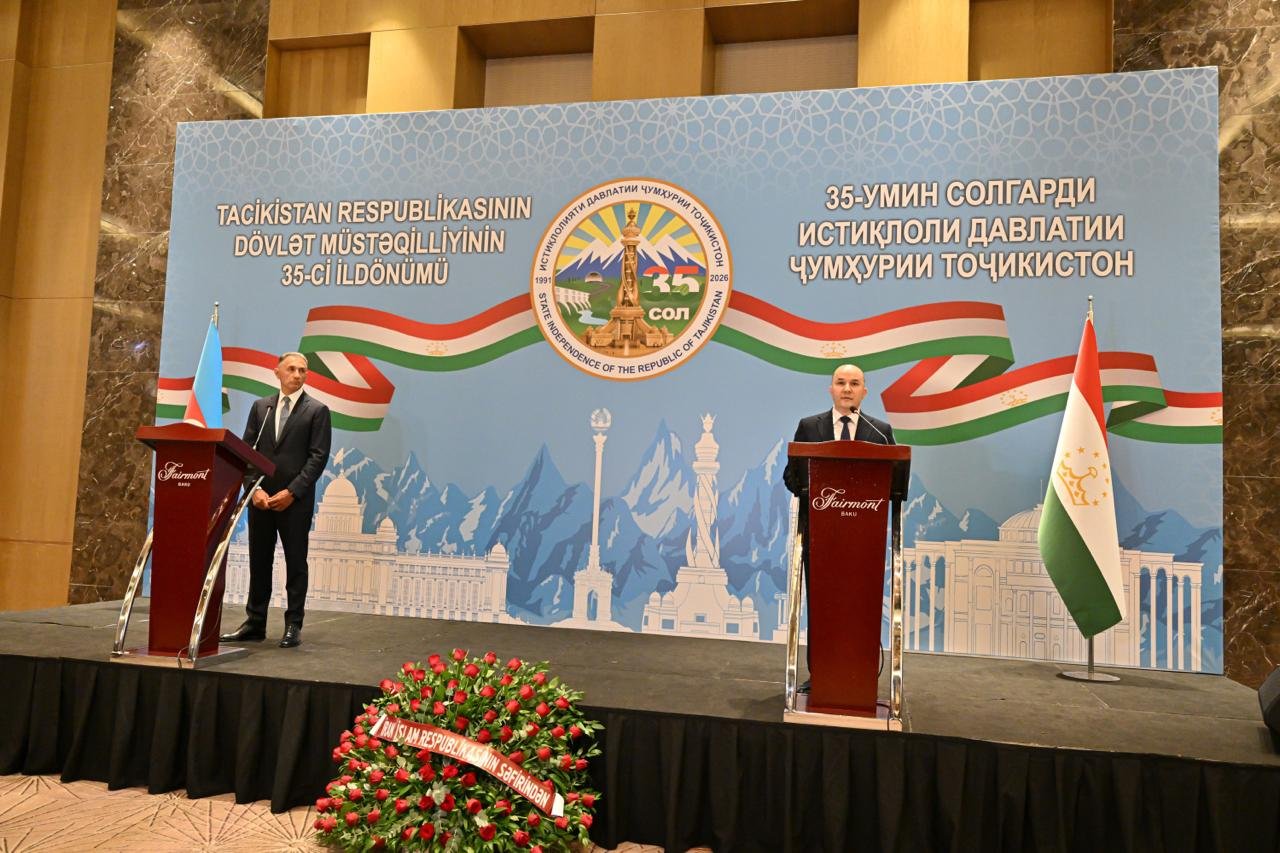
“National Independence is a sacred holiday,” he said, emphasizing that the years since 1991 have brought both serious challenges and major achievements.
Looking back over the country’s development, the Ambassador placed particular emphasis on the social and economic progress achieved under the leadership of the Leader of the Nation, President of Tajikistan Emomali Rahmon. He pointed to economic reforms, support for businesses, investment attraction and the efforts of the population as key factors in strengthening the national economy and ensuring sustainable development.
The figures presented during the speech illustrated the scale of the transformation. Over the past ten years, Tajikistan’s gross domestic product has increased 3.4-fold, while average annual economic growth reached 7.6 percent. In 2025, the country’s GDP reached 173 billion somoni, recording real growth of 8.4 percent.
The Ambassador also noted significant demographic and social changes. Tajikistan’s population has grown from 5.3 million in 1991 to 10.7 million in 2026, while the poverty rate has fallen to 19 percent. According to the Ambassador, these indicators reflect a consistent state policy focused on improving living standards, strengthening social protection and expanding opportunities for citizens. At the same time, the government continues to pursue several strategic objectives: energy independence, food security, overcoming transport and communication constraints, and accelerating industrialization.
Energy occupies a central place in this development strategy. Over the past decade, 60 billion somoni have been invested in the sector, increasing electricity generation capacity by more than 1,000 megawatts. Ambassador Abdurahmon highlighted the continuing construction of the Rogun Hydroelectric Power Plant as one of the country’s major national projects.
Alongside hydropower, Tajikistan is seeking to expand the use of renewable energy and modern technologies. In the Ambassador’s words, these efforts are opening new opportunities for the development of a “green” economy, industry and digital infrastructure. The focus on modernization is also evident in the industrial sector. Over seven years of implementing the country’s industrialization policy, more than 2,600 new industrial enterprises have been established, creating over 87,000 jobs and helping increase industrial output by two and a half times.
Agriculture and food security remain equally important. Despite the effects of climate change, agricultural production grew by 8.5 percent in 2025, while the country’s food security level reached 85 percent. Investment in education, healthcare, culture and opportunities for women and young people also remains among the government’s priorities, with continued attention given to human capital and social infrastructure.
The 35th anniversary year itself has given additional momentum to construction and infrastructure development. Ambassador Abdurahmon said that 29,000 facilities and structures had originally been planned as part of preparations for the anniversary. However, more than 31,000 projects have already been commissioned, with over 70 percent financed by domestic investors and donors.
The year 2026 has also been declared in Tajikistan the Year of Expanding Urban Development and Construction and Strengthening National Identity and Self-Awareness. The Ambassador said this reflected the country’s aspiration to preserve its historical heritage while building a modern state and passing the values of independence and national unity to future generations.
Another major theme of the Ambassador’s address was Tajikistan’s growing international engagement. He described the country’s foreign policy as peaceful and based on an “open-door” approach, with Tajikistan actively participating in the work of the United Nations and other international and regional organizations.
In recent years, Tajikistan has become increasingly active in promoting international initiatives on water resources, climate change and glacier conservation. The Ambassador pointed to the first High-Level International Conference on Glacier Conservation, chaired by Tajikistan in Dushanbe in 2025, as well as the UN General Assembly resolution adopted on September 2, 2026, concerning preparations for the UN Water Conference to be held in Dushanbe in 2028.
He also highlighted Tajikistan’s initiatives at the UN in the field of artificial intelligence and sustainable development, as well as the unanimous adoption of a resolution proclaiming 2027–2036 the International Decade for the Strengthening of Peace for Future Generations. These initiatives, he noted, reflect Tajikistan’s intention to contribute its experience and priorities to the global agenda.
Speaking about relations with Azerbaijan, the Ambassador described the country as one of Tajikistan’s “most important and closest partners.”
“Our people are bound by deep historical, cultural and spiritual ties, shared traditions, mutual respect, and a commitment to development,” Ambassador Abdurahmon said.
He stressed that the frequency of high-level contacts demonstrates the strength of the relationship. Over the past three years, President Emomali Rahmon has visited Azerbaijan four times, while President Ilham Aliyev has visited Tajikistan three times.
The signing of the Declaration on Strategic Partnership in Baku in May 2024 marked a particularly important milestone, elevating relations to a new level and creating a framework for cooperation across virtually all key sectors.
The growing economic dimension of the partnership was also underlined. During the eighth meeting of the Azerbaijan-Tajikistan Intergovernmental Commission on Trade and Economic Cooperation in Baku in May, it was noted that bilateral trade turnover increased by 84 percent in 2025, while strategically important transit shipments rose by 50 percent. The two sides also signed documents establishing a Business Council, providing for the mutual allocation of annual educational quotas and expanding practical cooperation.
Today, cooperation covers politics, trade, investment, transport and logistics, energy, industry, agriculture, education, culture and humanitarian exchanges. Ambassador Abdurahmon particularly emphasized the potential of Azerbaijan’s transport infrastructure and transit routes, including the Middle Corridor, as well as opportunities for deeper business ties, industrial cooperation and mutual investment.
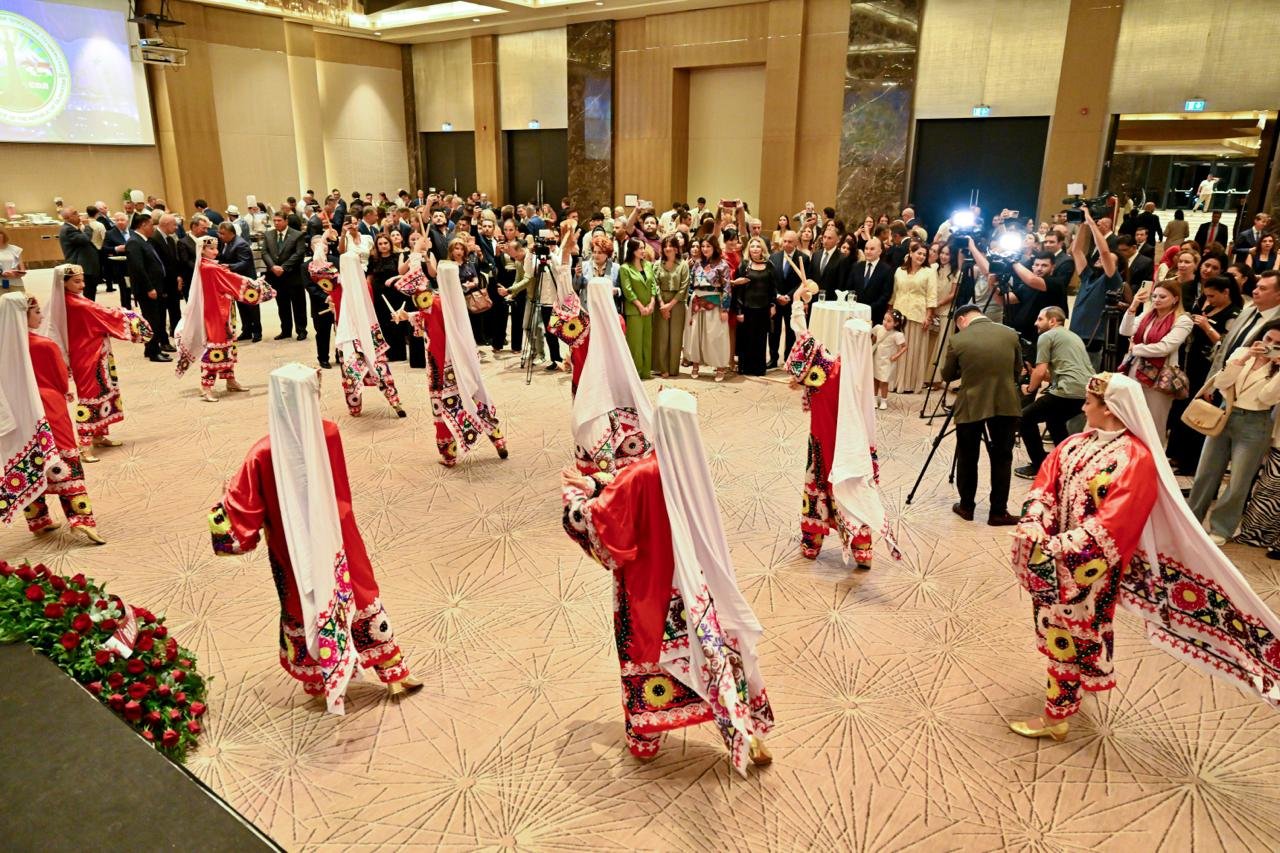
Cultural and people-to-people contacts are also becoming an increasingly visible part of the relationship. The Ambassador recalled the exhibition of Tajik embroidery at the Azerbaijan National Carpet Museum last November and the Chakan Fashion Show held at the Fairmont Hotel in Baku in April in honour of Novruz.
Transport and tourism links are developing in parallel. A significant share of transit freight between Tajikistan and European countries passes through Azerbaijan, while four direct flights operate weekly between Dushanbe and Baku, contributing to closer business and tourism ties.
The official congratulatory address was delivered by Azerbaijan’s Minister of Digital Development and Transport Rashad Nabiyev, who noted that cooperation between the two countries continues to expand. He said transit shipments between Azerbaijan and Tajikistan had increased by 17 percent during the first eight months of 2026, while bilateral trade rose by 31 percent during the first seven months of the year compared with the same period of 2025. He also pointed to growing cooperation in digital development, noting that Azerbaijani companies are increasingly providing services in Tajikistan.
Minister Nabiyev stressed that the historical and cultural ties between the two peoples, together with high-level political dialogue based on mutual respect, form the foundation of the strategic partnership. He also highlighted the growing role of cultural and tourism exchanges, including Tajik Culture Days held in Azerbaijan in 2024 and Azerbaijani Culture Days held in Tajikistan in 2025.
In conclusion, Ambassador Abdurahmon said that Tajikistan highly values its friendly and trusting relations with Azerbaijan and attaches particular importance to the further development of the strategic partnership between the two countries.
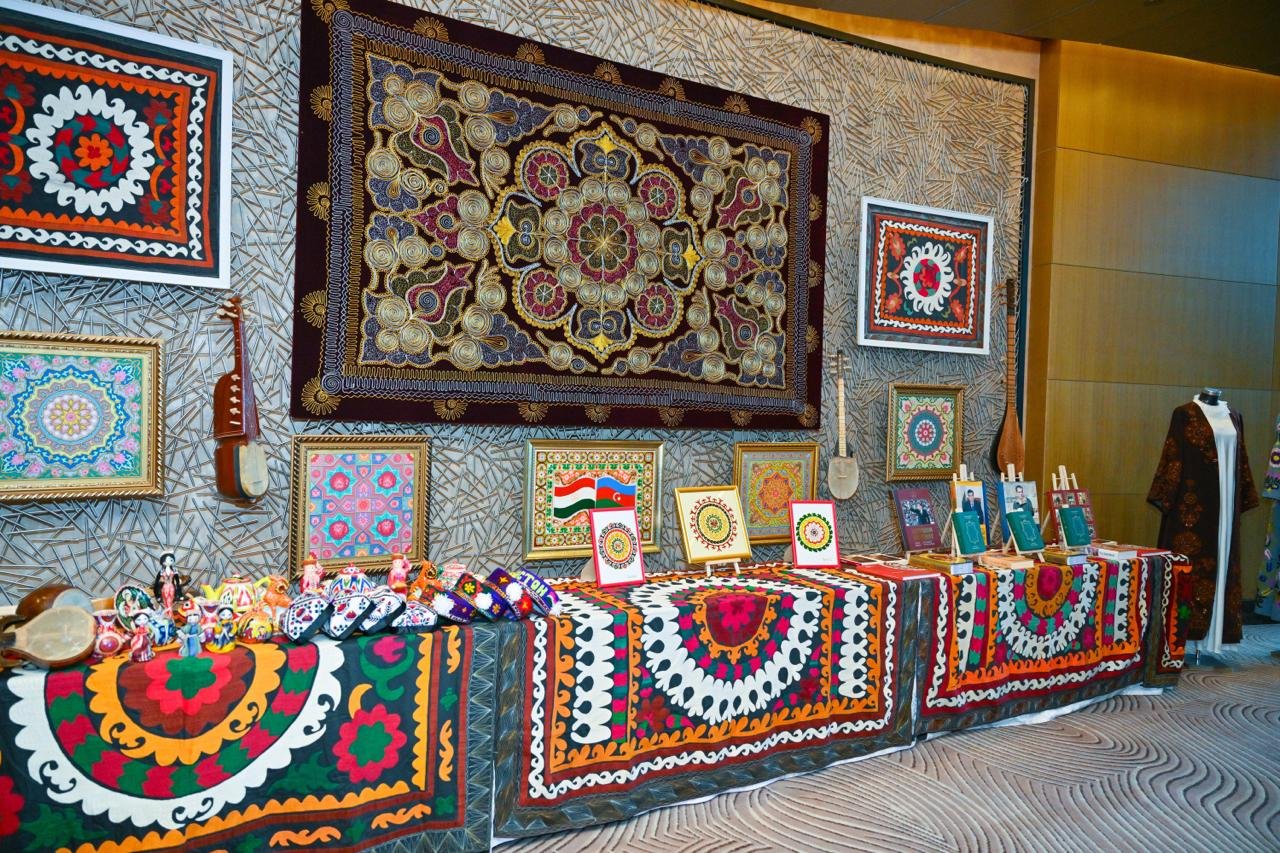
The evening concluded with a rich cultural programme featuring Tajik national songs and dances, an exhibition of traditional crafts and embroidery, national costumes and works by Tajik artisans. Guests were also introduced to Tajik cuisine and fresh produce.